

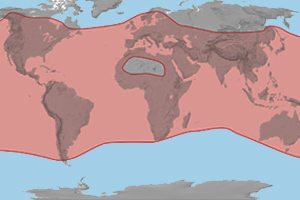
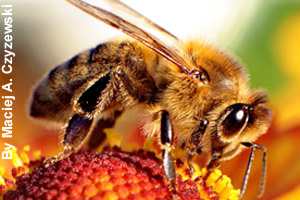

Honey bees live in hives. Three kinds of bees live in a hive. They are the queen bee, the worker bee, and the drone bee.
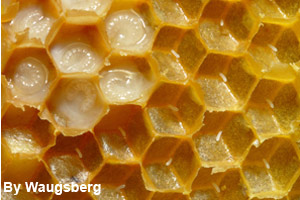
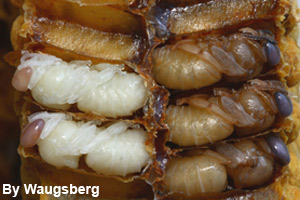
There is only one queen in each hive. The queen lays the bee larva. She rules the whole hive.
A worker bee is always female. The worker bee leaves the hive to get food. This bee helps build the hive. She lives about five to six weeks.
The drone bee is always male. It job is to mate with the queen. This bee lives in the hive spring and summer. When it gets cold out, the drone is kicked out of the hive.
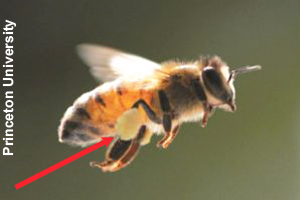
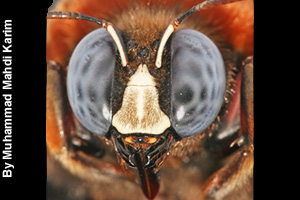
A bee has antennae and two pairs of wings. A bee flaps its wings 11,000 times each minute. Its fast moving wings make the buzzing noise.
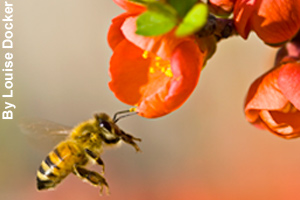
A worker bee has a long nose called a proboscis. It uses its long nose to get nectar from flowers. The nectar is used to make honey. Honey is made inside the hive. Many people enjoy eating honey. The honey bee is the only insect that makes food eaten by people.
A bee gets pollen on its wings and body when it collects nectar. The bee takes the pollen to other flowering plants. This helps plants to grow. Most vegetables and fruits need pollen from other plants to grow.
Some people are allergic to the sting. If a bee stings someone, get help immediately.
20 Amazing Honey Bee Facts! (n.d.). Retrieved from https://matteroftrust.org/20-amazing-honey-bee-facts/
Bee Diversity. (n.d.). Retrieved from https://www.beelab.umn.edu/bees/bee-diversity
Bee Information for Kids: Bumblebee & Honey Bee Facts. (n.d.). Retrieved from https://pestworldforkids.org/pest-guide/bees/
Honey Bee. (n.d.). Retrieved from https://www.britannica.com/animal/honeybee
APA Style: Honey Bee. (2020, September). Retrieved from Facts4Me at https://www.facts4me.com
MLA Style: "Honey Bee." Facts4Me. Sep. 2020. https://www.facts4me.com.